Stablenomics · John Wingate
The death of TradFiat.
The birth of DeFiat.
The Promise of Open-Source Money. How open protocols end the monopoly on money and hand it back to everyone. one-line hook — John
By John Wingate · International Bestselling Author
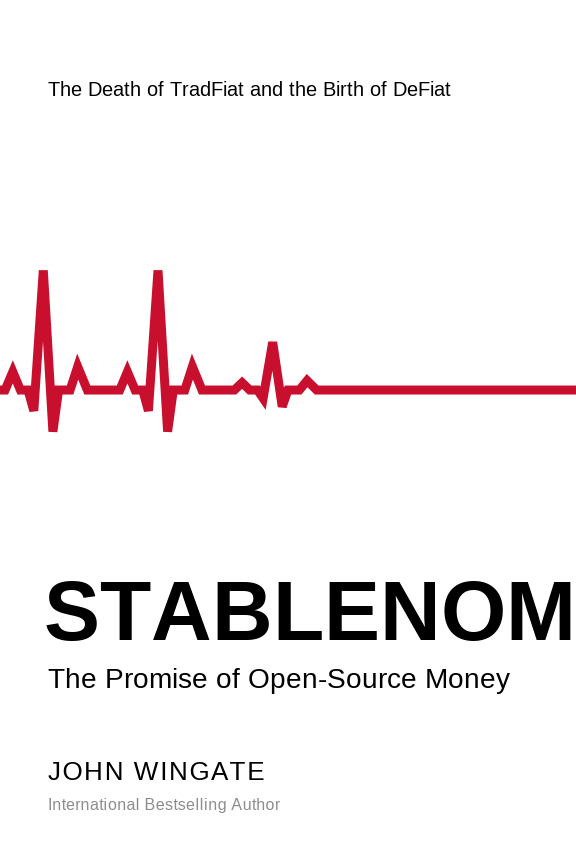
Money was the last thing we let a handful of people run.
Stablenomics — the case for taking it back epigraph — John
What this book is
A field manual for the end of monopoly money.
For a century, issuing money meant owning a printing press and a permission slip. That era is closing. one-paragraph thesis — John
Open protocols now settle value the way the internet moved information: without asking. Stablenomics is the plain-language case for what that unlocks, what it breaks, and why the next decade of money is being written in public, by anyone who can read it.
Not a trading manual. Not a manifesto. A map of the shift already underway, and a working theory of what holds when money becomes open source. replace with John's description
The printing press was never the point. The permission was.
The argument
TradFiat is flatlining. Open money is the pulse.
The pulse
How fiat money actually works today — who prints it, who profits from the spread, and who pays. The system most people never see described plainly. placeholder
The fade
Why the monopoly is thinning. Inflation as a hidden tax, capital controls, and the quiet exit of value onto open rails that no government switched on. placeholder
The flatline — and the new beat
What open-source money replaces it with: programmable, borderless, auditable settlement owned by its users. The promise, and the honest risks. placeholder
You don't need permission to read a protocol.
Inside the book
What you'll walk away understanding.
- How money is actually issued today — and who collects the spread you never see
- What a stablecoin really is, under the branding, and the three ways they can break
- Why open protocols settle value the way the internet moved information
- The difference between decentralized in theory and decentralized in practice
- How to read a protocol the way you'd read a balance sheet
- What holds — and what doesn't — when money becomes open source
final chapter list — John
Who it's for
Written for the reader, not the trading desk.
Builders & founders
You're shipping on open rails and need the whole board, not just your corner of it — where value settles, what it costs, and what breaks.
Investors & allocators
You've heard the pitch a hundred times. This is the structural case, the honest risks, and a way to tell signal from a token with a logo.
The merely curious
You don't trade and don't plan to. You just want to understand the biggest quiet change to money in a century, in plain language.
audience — confirm with John
From the book
The opening pages
Every morning, a number moves that no one voted on. It decides what your work was worth yesterday and what your savings will buy tomorrow, and it is set by a room you will never enter. For most of history we called this normal, because there was no other way to run money at scale. There is now.
This book is about that other way — not as a prophecy, and not as a pitch, but as a thing already happening in the open, one block at a time. placeholder excerpt — John supplies 300–600 words
The question is no longer whether money can be open source. It is what we do once it is.
What you get
One book. Everything to read it with.
The book
Hardcover, paperback, and ebook. A clean, readable ~240 pages — no jargon wall, no price charts.
The audiobook
Read by John Wingate. The full text, unabridged, for the commute and the gym.
The protocol appendix
A plain-language reference for reading real protocols — the questions to ask before you trust one with a dollar.
formats & bonuses — confirm with John
Praise
Early readers
placeholder — real endorsements only
“The clearest explanation of open-source money I have read — and the most honest about what it still has to prove.”
“Wingate does for money what the best technology writers did for the internet: makes the inevitable feel obvious.”
The stakes
Staying on TradFiat isn't free. You just can't see the bill.
This isn't a book about getting rich. It's about what the current system quietly costs everyone who uses it — and what becomes possible the moment money stops being someone's private product. framing — John
The quiet tax on money you hold in a currency you don't control — compounding, every year, whether you notice or not.
Locked out of the old system entirely. Open protocols don't ask for a branch, a credit score, or a passport.
Money that clears on nights, weekends, and holidays. Once you've used it, the old rails feel like a fax machine.
stats illustrative — verify before launch

About the author
John Wingate
John Wingate is a technologist, #1 bestselling author, and the founder and CEO of BankSocial — on a mission to rewrite the world's financial operating system by converging advanced AI, decentralized networks, and next-generation finance into a new model of cooperative capitalism.
He has spoken multiple times at the World Economic Forum in Davos and on agentic AI at Google Next, and has advised some of the world's largest organizations, including the World Bank.
He is the author of the international #1 bestseller Quantularity — winner of the Literary Titan Gold Award — and Going Agentic. Stablenomics completes the arc: the case for open-source money.
The trilogy
Measure. Act. Settle.
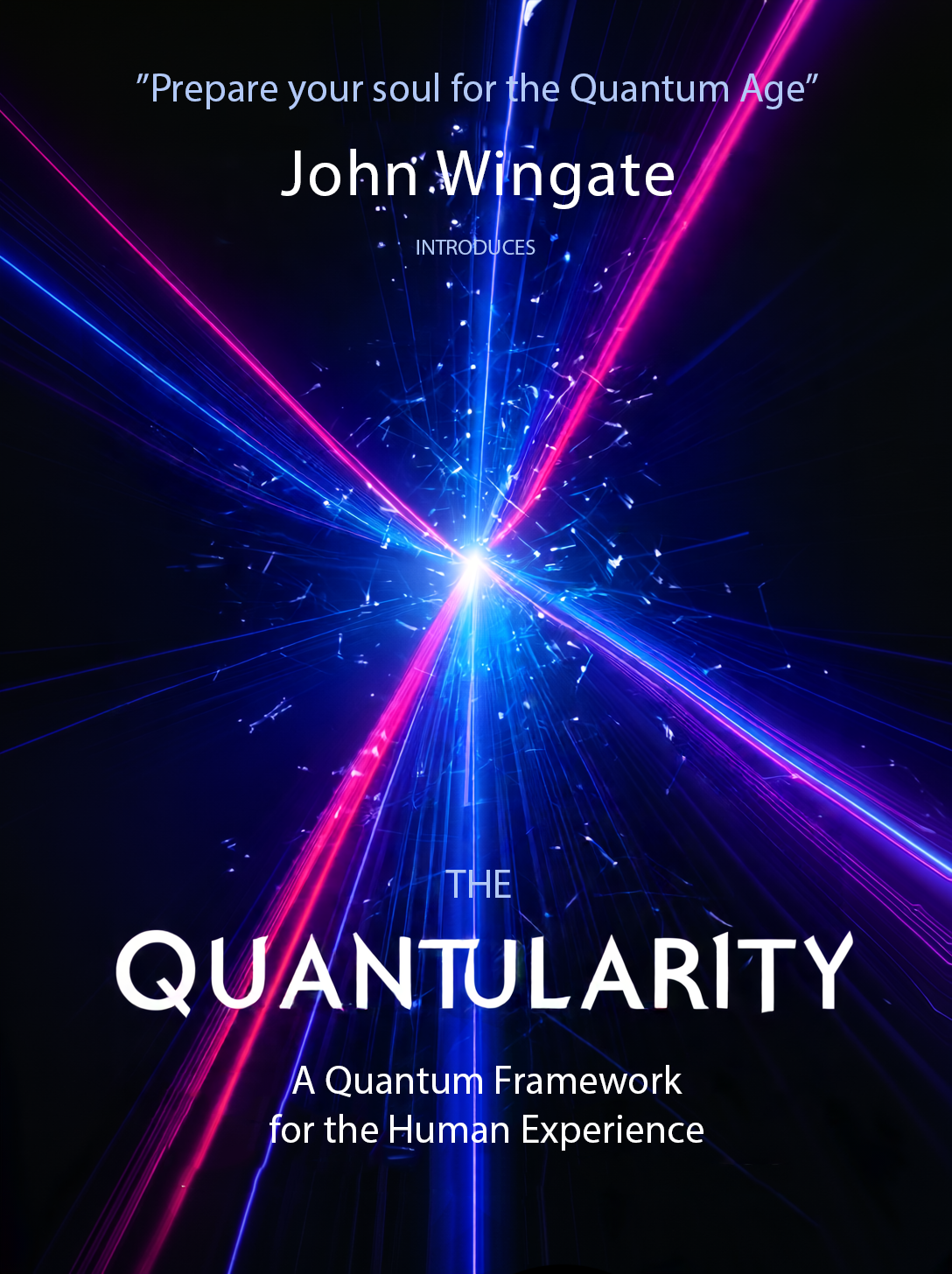
Quantularity
The #1 bestseller that measured the world — a quantum framework for the human experience. Winner of the Literary Titan Gold Award.
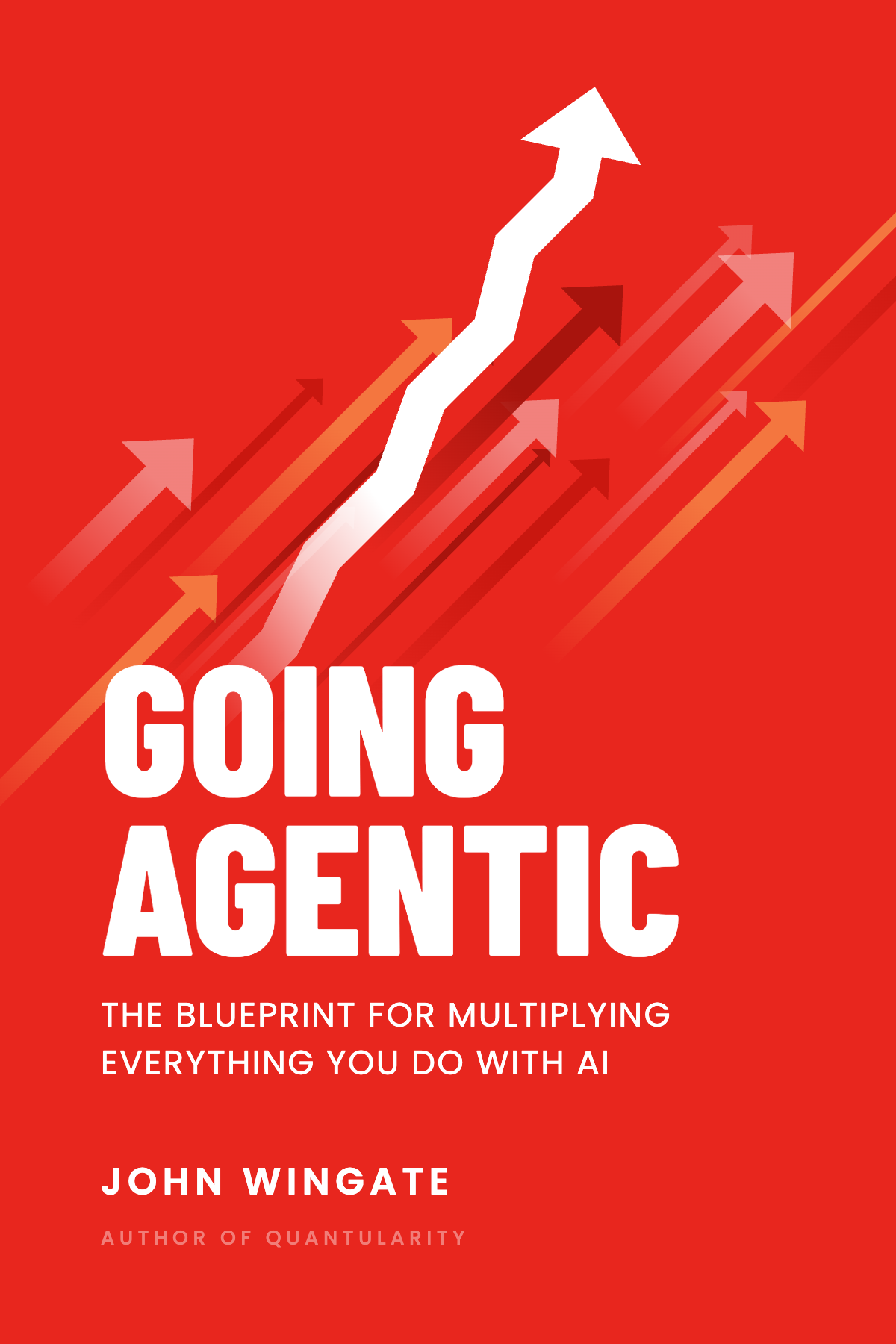
Going Agentic
What changes when you stop doing the work and start directing the systems that do it for you.
Stablenomics
What holds when the money itself goes open source.
Free chapter
Read chapter one, on the house.
Leave your email and the first chapter lands in your inbox. endpoint wired in Pass 2
Get the book
Own a piece of open money.
Hardcover · Paperback · Ebook · Audiobook